The Canary Islands, exquisite cuisine under the sun
The Spanish often refer to the Canary Islands as the "Islas Afortunadas" as the shine shines practically throughout the year, their only borders are the sky and the sea, and because their fauna, flora and culture, at time so different to that of mainland Spain, are real treasures. However, perhaps it would be more appropriate to call the visitor to these islands "fortunate"; not only because he can enjoy the sun, sea and environment but also because he has been presented with the opportunity to taste their culinary delights.

The typical person from the Canary Islands is noble, kind, with deep-routed traditions yet a great sense of humor, all of which are reflected in the cooking - the simple, nutritive and appetizing dishes are the result of the Canary Island tradition.
Tasty and Simple
Simplicity is the key. The cooking is so simple that one of the main ingredients found in the majority of its dishes is the gofio. Gofio, roasted maize or wheat meal, can be served at breakfast, as an accompaniment to island stews and is even used to prepare a special variety of local nougat.
Their "mojos" are equally straightforward - piquant sauces which are served with the majority of local dishes. The "mojo picón" (pepper, vinegar, olive oil, garlic, cumin, salt and paprika) and the "mojo verde" (made based on parsley and coriander, and with a milder taste), have become real culinary institutions in the Canary Islands. But there are many more variations of "mojos": they can be made using coriander ; garlic ; saffron , ideal with fish; the cheese ; the goat's cheese and tomato paste; and for special occasions, the unique "mojo palmero" which is from La Palma.
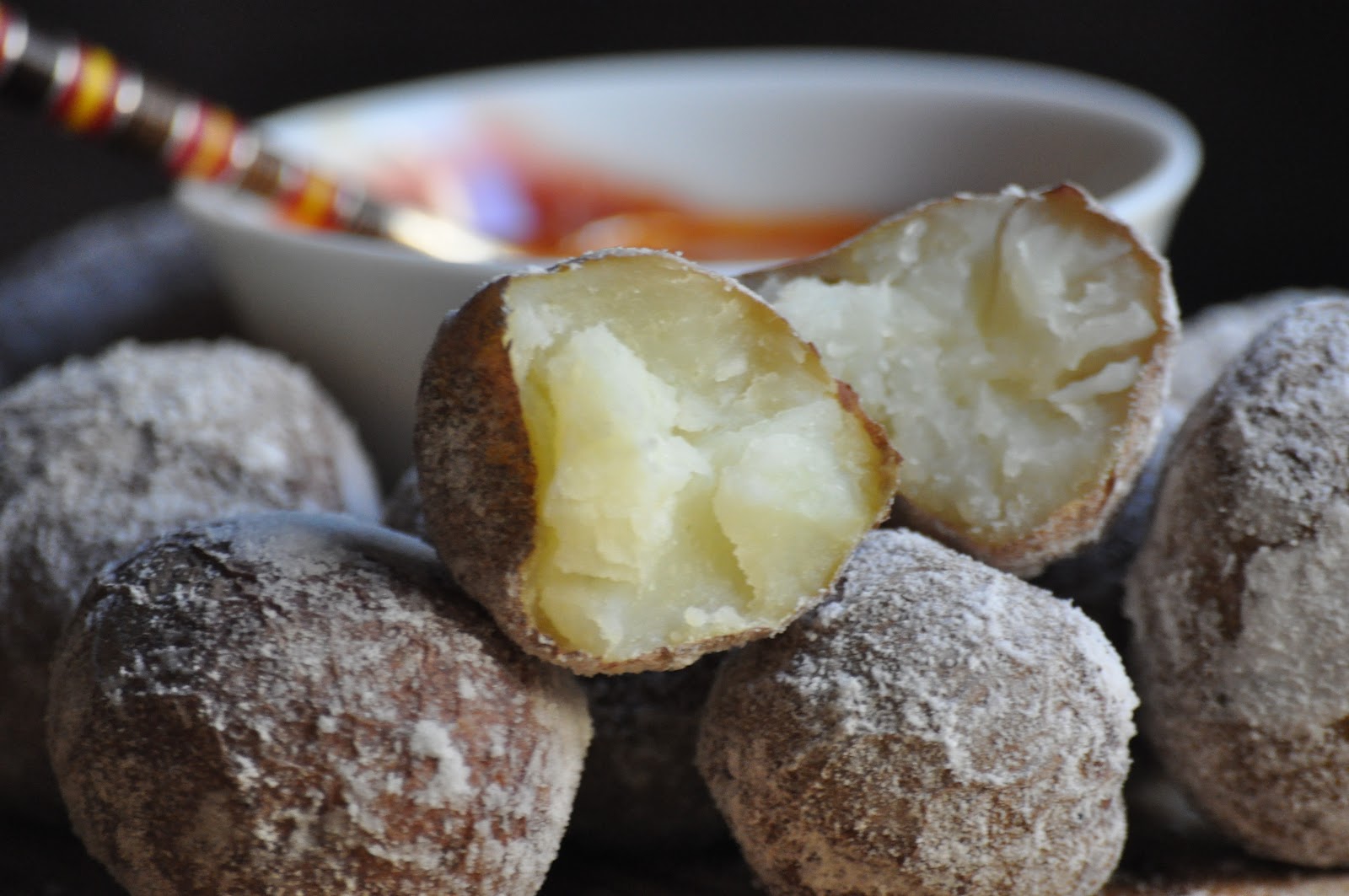
The Canary Islands is on route to America and therefore in the past its cuisine became influenced by American products: the tomato and the potato or "papa". This tuber is the origin of which has undoubtedly become one of the most famous and typical dishes of the Canary Islands: the "papas arrugadas", small potatoes cooked in their skins in very salty water (if possible, seawater) and are served accompanied by a piquant sauce, usually "mojo verde" or "mojo rojo".
Fish and piquant sauces
Fish is a vital component of the dishes of all islands and here the Canary Islands are no exception. The fish is of very high quality: wreckfish, damselfish, dentex, sea bass, white sea bream, bogue, mackerel... and most importantly, parrot fish. There are three typical ways of preparing the fish - in a casing of salt, lightly fried and baked, or "jareado" (dried in the sun and seasoned). Dogfish is the main ingredient of "tollos", a typical local dish...
The traditional "sancocho" is also made with fish (salted fish, soaked overnight and then boiled with partly-peeled "papas" and served with a piquant fish, normally "mojo picón" or "mojo verde"). As can be expected, apart from fish, shellfish is also abundant in an archipelago. The most typical type in the Canary Islands are the limpets during the summer months which are usually grilled. However, we must not forget the "burgado" - a type of marine snail - and the clam.
All types of meat are served in the Canary Islands. The visitor must not leave without tasting rabbit cooked in "salmorejo" - a type of thick gazpacho. But of course there is also kid or beef.
And to finish off the meal, the visitor can choose between "bienmesabes" - honey with ground almonds, yams and "truchas navideñas" - small pastries filled with sweet potato, almonds and raisons or pumpkin strands in syrup, "quesadillas" - small cheese-flavoured rolls from the island of Hierro, "torta vilana" - made from eggs, potatoes and sugar from La Gomera, marzipan and macaroons from Gran Canaria, "rapaduras" - a honey and almond sweet from La Palma, and many other exquisite desserts.

Bienmesabe: Bienmesabe is the name for two different desserts. This simple almond one is from the Canary Islands, while the other dessert is from Andalusia, where it is traditionally made by cloistered nuns in Antequera, in Malaga Province.
A fruit paradise
The climate in the Canary Islands, very different to the rest of Spain, is perfect for the cultivation of certain types of fruit which could be qualified as tropical. To only mention the banana, as it is the most representative product of the islands, is not sufficient. There are many other varieties of fruit. Papaya, melon pear, peach, mango, avocado and pineapple are some of the fruits that the traveller can find in the Canary Islands.
Wines and liquors
These islands also house ten wine Denominations of Origin: Abona, El Hierro, Lanzarote, La Palma, Tacoronte-Acentejo, Valle de Güimar, Valle de la Orotava, Icoden-Daute-Isora, Monte Lentiscal and Gran Canaria.
The islands also have their own local drinks which are worth tasting, such as banana liqueur, or its own rum concoction, honeyed rum. Other liqueurs made with fruits are currently being developed.
You may be also interested in...
See also
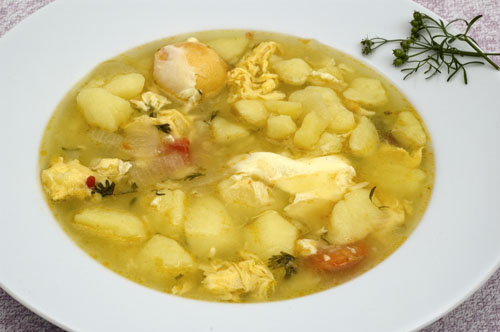
Caldo de Papas y Huevos: The eggs in this simple potato soup from the Canaries are added in two ways: first, the beaten egg is stirred in, turning the broth opaque, and then whole eggs are added at the last moment with just enough time to allow them to set before the soup is served.
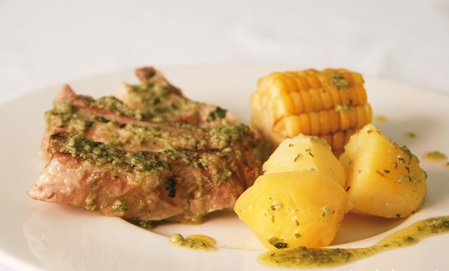
Cochino con Millo - Pork Roast with Corn: This recipe originated on the island of Lanzarote. It calls for millo, Canarian for "corn", evidence of the early influence of New World foods on this way station for the Conquistadores. It also uses basil, which is unusual for Canarian cooking, despite the fact that it grows wild alongside the roads.
Recent Articles


-
Lacon con Grelos - Boiled Ham with Greens
Oct 25, 17 06:18 AM
 In Galicia, the meat used for this recipe is the lower portion of the front pork leg, or hock, and it's salt cured. I prepare it with fresh hocks, and it's also delicious.
 -
Esqueixada
Aug 31, 17 06:20 AM
 Esqueixada is a quintessential Catalan salad. The main ingredient is always cod. Some versions also include green bell peppers; others eliminate the peppers altogether
 -
Spanish Salads - Ensaladas
Feb 09, 17 05:26 AM
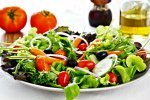 DURING THE HOT summer months, Spaniards look forward to their cuisine’s rich array of cold soups and salads.