Spanish Seafood Recipes
The long coastline of Spain, combined with the two archipelagos, the Balearics and the Canaries, ensures that fresh fish and shellfish are ubiquitous elements of the Spanish table.
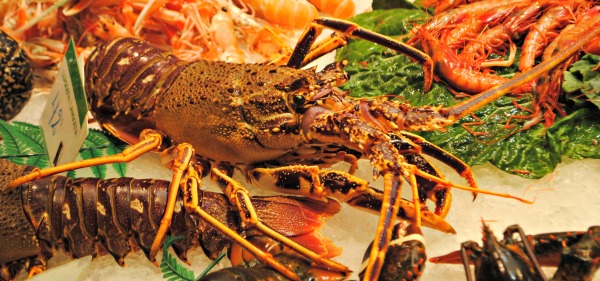
This section showcases only a small number of the dishes that cooks and chefs throughout the country regularly prepare as seafood main courses, such as suquet, the seafood stew of Catalonia; Dorada a la Sal, fish baked in a salt crust from Murcia; and txipirones en su tinta, Basque-style squid in its own ink.
Simpler grilled, pan-roasted, fried, and boiled fish are popular menu items as well, typically accompanied with mojos, vinaigrettes, or other sauces that add color, flavor, and a distinctive regional stamp
Spaniards believe that some of their country's fish and shellfish taste better when eaten in their place of origin, such as the angulas, or baby eels, of the north; the carabineros, or jumbo red shrimp, of the south; and the salmon of Asturias. But salt cod, sometimes called the 'inland fish', crosses all borders.
In this section, you will find some regional dishes that star salt cod. My favorite is the Basque Bacalao al pil-pil, in which the hard dried fish turns velvety and delicious when simmered in a cazuela with olive oil. Bacalao con alioli from the Balearic Islands pairs salt cod with the region's emblematic sauce, while in tiznao from La Mancha, salt cod and vegetables are grilled, chopped, and married with chiles and olive oil. Finally, bacalao al ajoarriero from Navarra, named after the ajoarrieros or 'muleteers', who once transported salt cod along with other foods across Spain, calls for braising the cod with potatoes, tomatoes, and eggs.
Our Seafood recipes selection
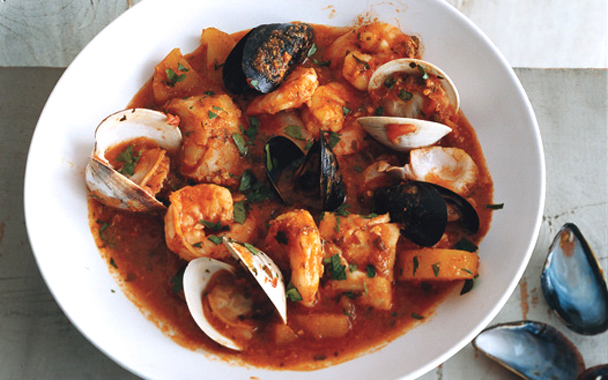
Suquet: suquet is the diminutive form of suc, or 'juice', in Catalan, which means that this wonderfully flavored dish is more correctly called juicy fish stew. The fish and shellfish used vary from cook to cook, and so does the amount of liquid - in fact, some people call this a stew, while others call it a soup - but saffron and almonds are typically part of the mix.
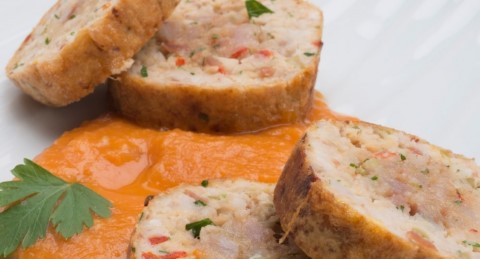
Atun en Rollito a la Asturiana: Whenever I ask Asturians which recipe from their region must be included in a Spanish recipe site like this one, the answer is nearly always the same: Atun en rollito. It is originally from Cudillero, a fishing village close to Aviles, where it is prepared with the bonito that is abundant there during the summer months. The white-fleshed bonito is not easy to find in the United States, but the dish can be made with the pinker-fleshed bluefin tuna instead.
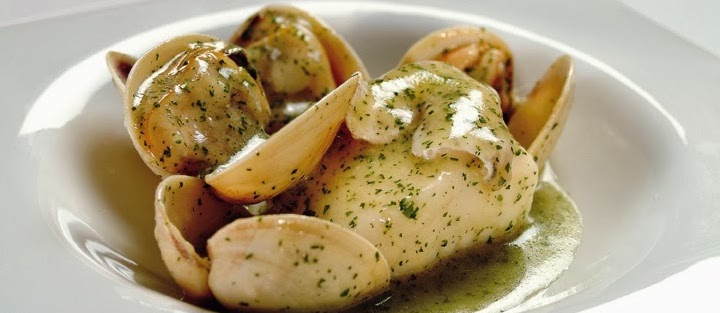
Merluza en Salsa Verde: This recipe is one of the front-runners of traditional Basque cooking. Salsa verde appears in many dishes: with clams alone, with monkfish or fresh cod, or with a combination of clams and hake, as in this recipe.
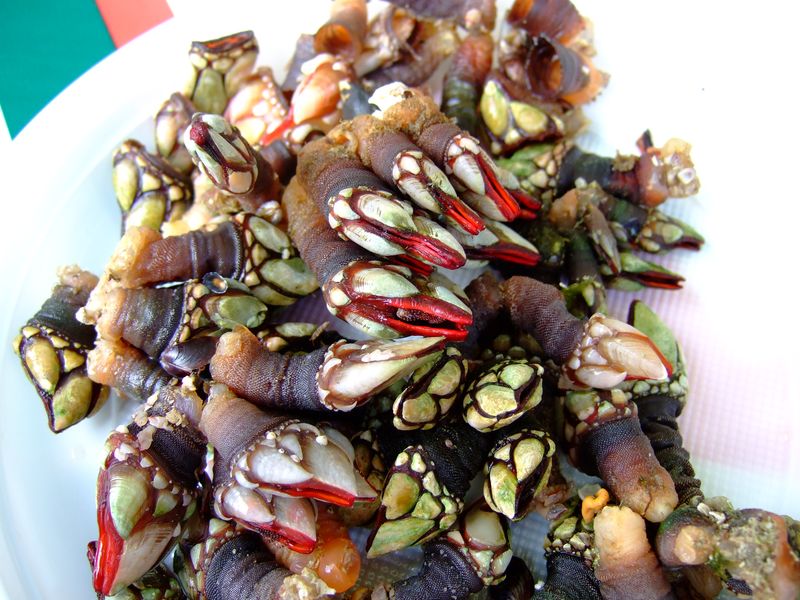
Percebes: Tube shaped, as thick as an index finger, and about three inches long, percebes (gooseneck barnacles) grow in clusters on rocks along the coasts of northern Spain and Portugal. They are expensive because of their scarcity and the difficulty and danger involved in gathering them. Harvesters must wait for low tide and then scale the sharp rocks where the barnacles are growing, always keeping an eye on the heavy surf that threatens to sweep them away.

Vieiras en su concha: Scallops are common in Galicia and are typically sold in the shell. In the United States, scallops in the shell are far less common, but you can buy just the shells at many cookware shops.
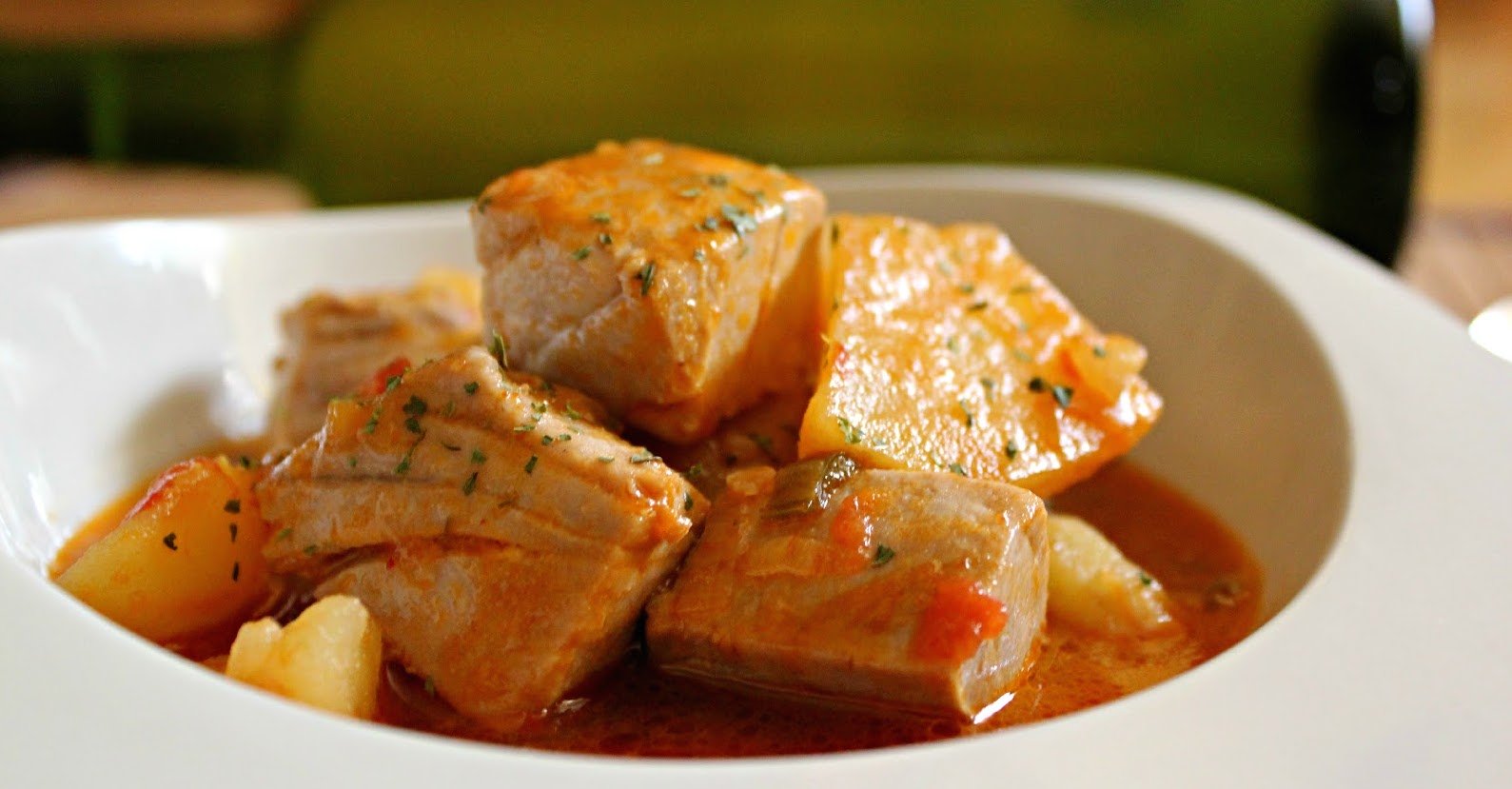
Marmitako: Marmita translates as 'pot' or 'casserole' in Basque, while the suffix ko is the genitive case, so that marmitako literally means 'from the pot'. Of course, just about everything in Basque cooking comes 'from the pot', but only this venerable dish goes by that name.
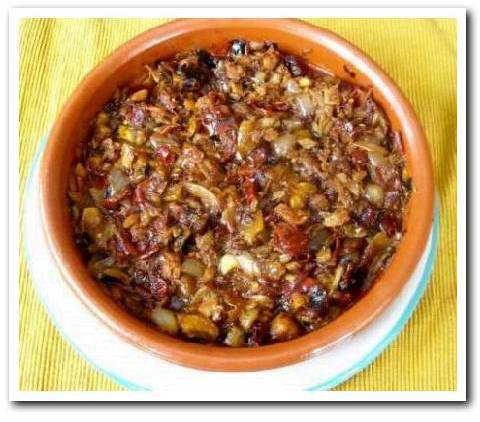
Tiznao Manchego: This is arguably the most singular dish of La Mancha, and it is quite different from other cod preparations in Spanish cooking. It is a little labor-intensive, too, but it is well worth the time. Here, the salt cod, in contrast to most recipes, is not desalted before it is used, but is instead held under running water to wash the salt from the surface. Miraculously, the dish is not salty. The cod simply yields its salt to the rest of the ingredients, lending the dish the perfect amount of seasoning.
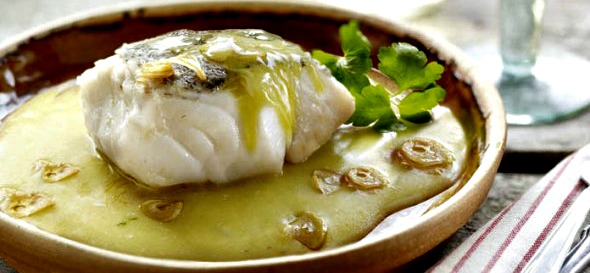
Bacalao al Pil-Pil is a classic Basque fare. After you prepare the garnish and simmer the cod for several minutes, you make the sauce by engaging the cod in a 'dance' with the olive oil to create an emulsion that looks very much like a mayonnaise. The dance is not without challenge, but even the patient novice cook can produce an excellent result.
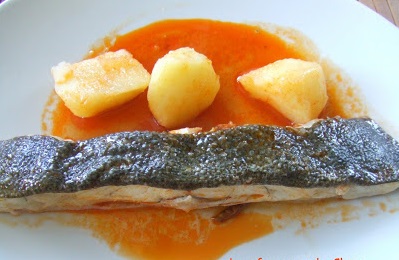
Rodaballo a la Gallega: The Galicians are the great fishermen of Spain, and the turbot is the king of the catch. Even if it is farmed, as is increasingly the case today, turbot is a great fish. But when it is wild, the flesh is firmer and its characteristic flavor is more intense. No matter how you cook it— seared, fried, baked, roasted whole— turbot tastes exquisite.
In this Galician recipe, the fish is not filleted, but rather cut crosswise through the central bone. In my opinion, the head contains the best parts of the fish and, if you sit among family members or friends, don’t be shy about nibbling on it.
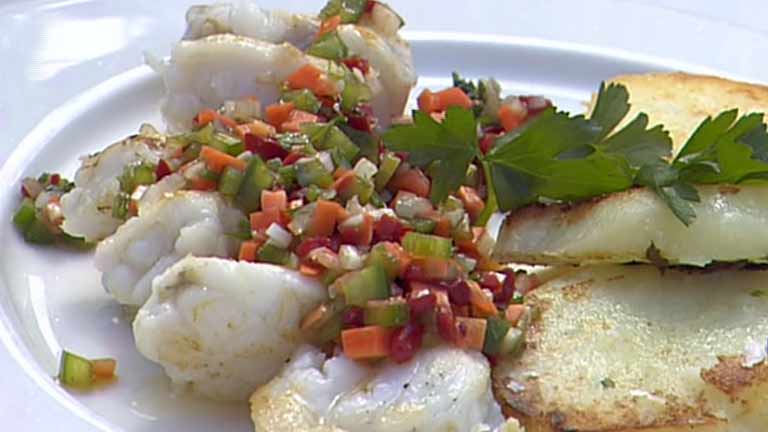
Rape con vinagreta picante: Topping grilled fish with a spicy vinaigrette is one of the preferred ways to prepare fish fillets in Spain. It is specially popular in the Basque Country, where establishments known as asadores, basically grill houses, specialize in fish a la espalda, or "on its back", a name derived from cooking the fillets skin side down on a grill. Here I have used monkfish cut into medalions and pan searing instead of grilling and paired it with the same excellent vinaigrette
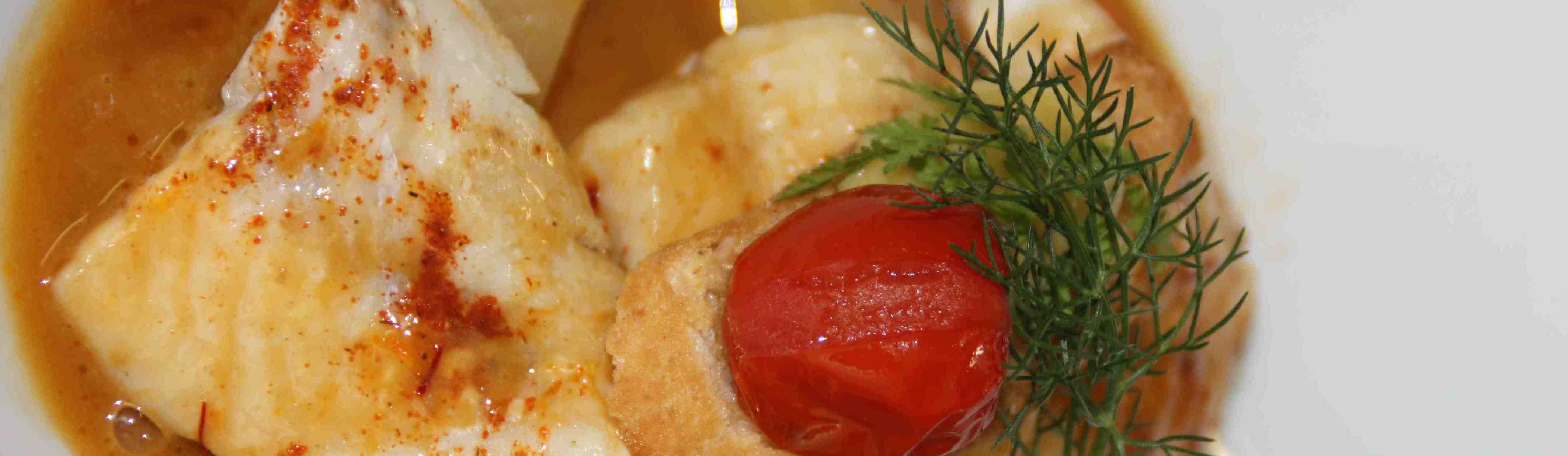
Burrida de Raya. Fish soups with names similar to this one are common in the Mediterranean, with the type of fish and the seasoning varying with the locale. For example, Provençal cooks make bourride and serve it with the rust-colored sauce known as rouille, while Ligurian cooks make buridda and accompany it with fried bread. The burrida of the Balearics calls for skate in an allioli-enriched stock and thin slices of country-style bread.
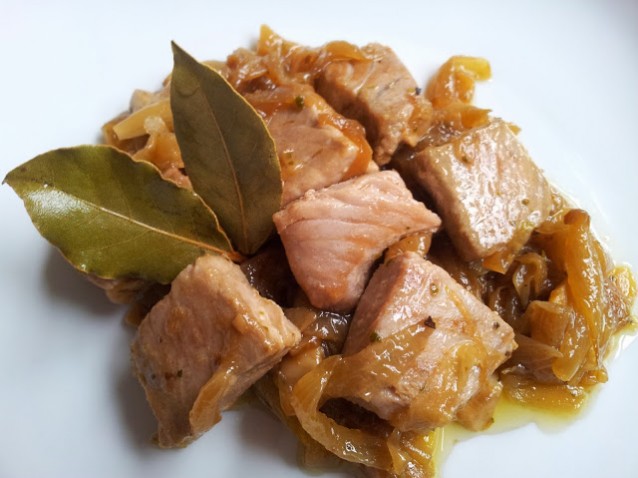
Atún encebollado is one of the favorite recipes in Cantabria. Use bluefin Tuna (Atun) for this recipe to get the best results.
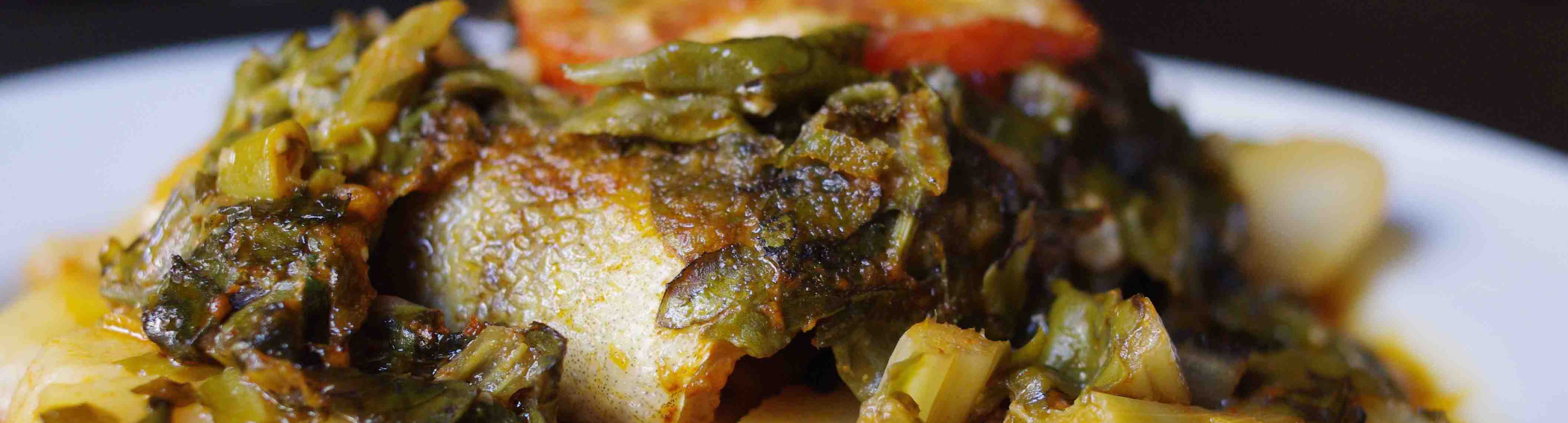
Grouper a la Mallorquina: When a fish is prepared a la mallorquina you know that it will be cooked with a variety of vegetables piled on top. Ideally, the fish is a whole and weighs at least five pounds. Grouper is a good choice, but so is red snapper, striped bass, John Dory, or any other lean, white fleshed fish. The crown of colorful vegetables not only looks pretty but also infuses the fish with sensational flavor.
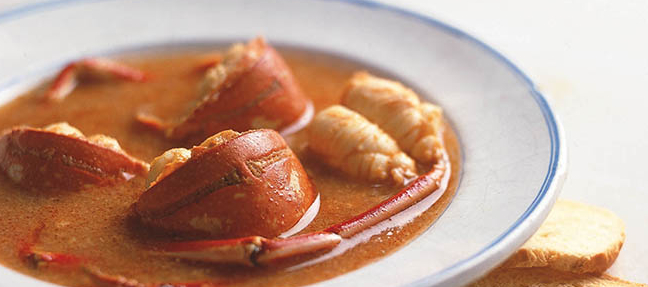
Caldereta de Langosta (Lobster Stew): An exceptional Lobster stew, typical from the Balearic Islands, and celebrated all over Spain.
|
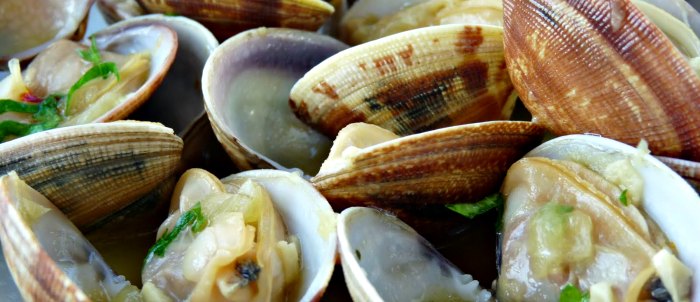
Spiced Clams: Spanish clams, specially in the North, are much larger than clams found elsewhere, and have more succulent bodies. This modern recipe uses Arab spicing to make a hot dip or sauce. Serve with plenty of fresh bread to mop up the delicious juices! |
|
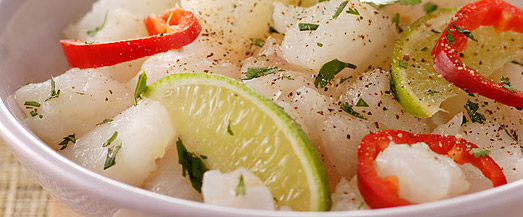
Ceviche: You can use almost any firm-fleshed fish for this Spanish influenced dish, provided that it is perfectly fresh. The fish is 'cooked' by the action of the acidic lime juice. Adjust the amount of chilli according to your taste. |
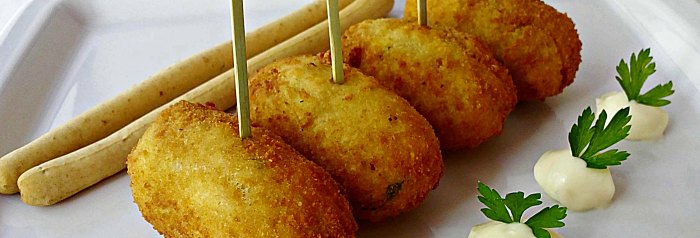
Salt Cod Fritters with Allioli: Bacalao - salt cod - is one of the great Spanish delights, adding flavor to bland ingredients such as potatoes. If you are unfamiliar with it, then this is a delightful way to try it out. Bitesize fish cakes, dipped into rich, creamy, garlicky allioli, are irresistible as a tapas dish or appetizer.
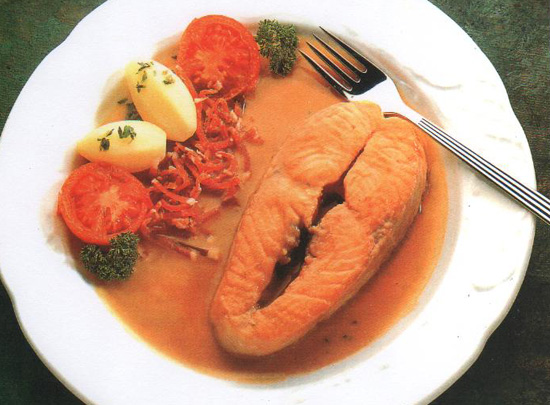
Salmón a la Ribereña: Asturians cook salmon in many different ways, but salmon baked with cider, a staple of Asturian gastronomy, is arguably the most representative. Though the usual cut for this recipe is salmon steaks, I often prepare it with fillets instead.
Prawn croquettes: Croquetas are ubiquitous in Spain, although they most likely originate from the French 'croquettes'. Their beauty lies in the bechamel base which is then mixed with your particular ingredient of choice to give it a characteristic flavor. The possibilities are almost endless - here we have used prawns.
Prawn and Bacon Brochettes: The Spanish love bacon, which we cure and air-dry in the same way as our famous jamon. This combination of prawns and bacon is inspired and very popular, and can be found at most Tapas bar, as well as in many banquets and receptions. It is an ideal treat for your guests when having a party at home!
Artichokes with clams: Artichokes are a popular vegetable in Spain, especially fresh from the market. They are often served sautéed with ham or stuffed with white sauce and ham or meat, etc. Sometimes served cold, they combine well with anchovies and piquillo peppers, or with salmon and capers, or tuna fish with a good olive oil.
Stuffed Mussels (Tigres): In Bilbao, these stuffed mussels are called Tigres because of their fieriness. I fondly remember the crowded little bars in the old part of Bilbao, where orders of tigres would emerge by the dozens from the tiny kitchens.
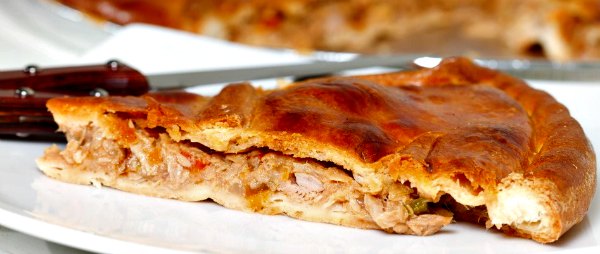
Empanadas: bread pies stuffed with shellfish, fish or meats, are iconic of Galician cuisine. The crusts and fillings vary from place to place, and nearly every Galician family, restaurant, and tavern claims to have the secret formula for making the best version. Of the many empanadas I have tasted in this beautiful northwestern region, these ones are my favorites - their crust is consistently delicate and delicious.
Mussels Vinaigrette: Steamed mussels are dressed with a flavorful vinaigrette in this colorful tapa. It is an ideal treat for a party or any event with lots of people attending.
|
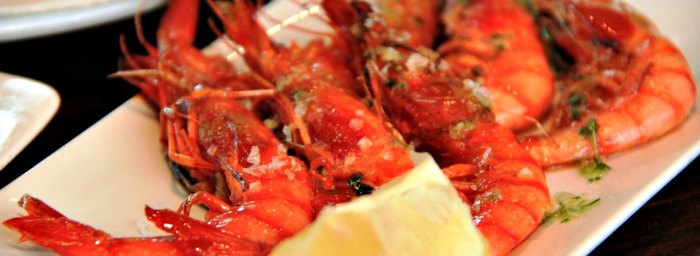
Gambas a la plancha (Pan-grilled shrimp): Spaniards love to eat grilled shrimp at the counter of a good tapas bar while sipping a glass of chilled fino sherry or cold beer. The bars are often crowded, leaving little or no space for proper eating, and I find it fascinating to watch the locals skillfully manage to eat shrimp with one hand while holding a drink in the other. |
|
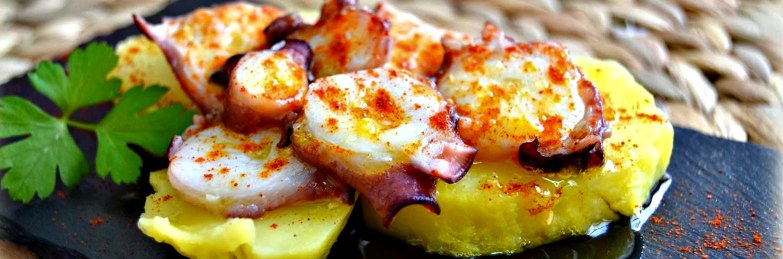
Pulpo a Feira: Though it originated in Galicia or the neighboring region of Leon, pulpo a feira, as it is known in Galician, or pulpo a la gallega, as it is called in Spanish, is now popular throughout Spain. It is usually served on wooden plates with cachelos, potatoes that have been boiled or roasted in embers with their skins on. |
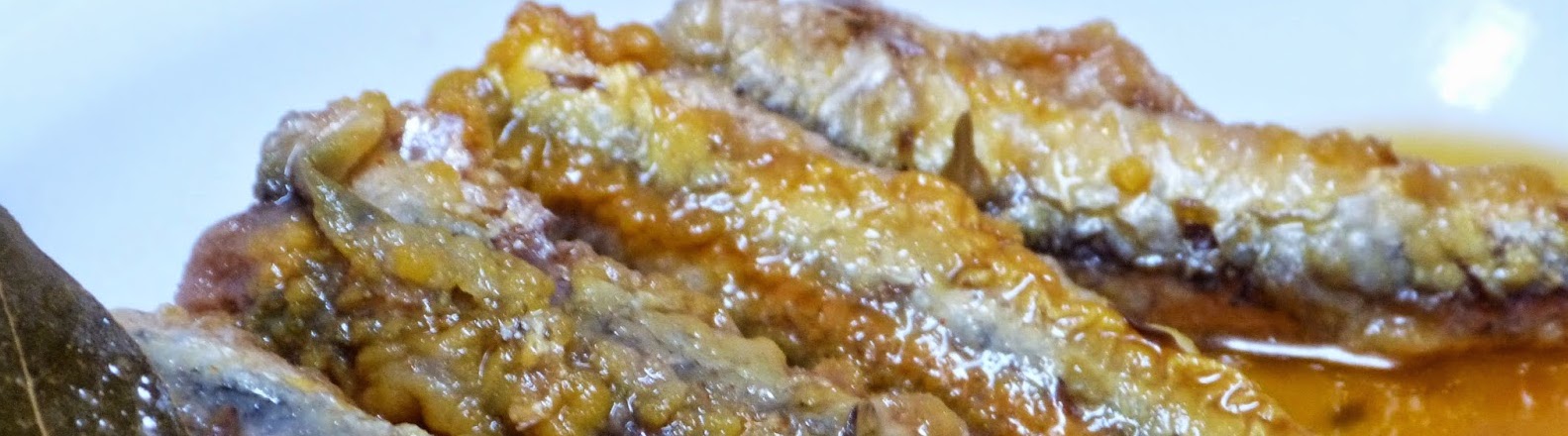
Boquerones en Escabeche: Moorish Pickled Anchovies This is an old, old way of preserving small fish which has survived into modern times because it is so delicious.
|
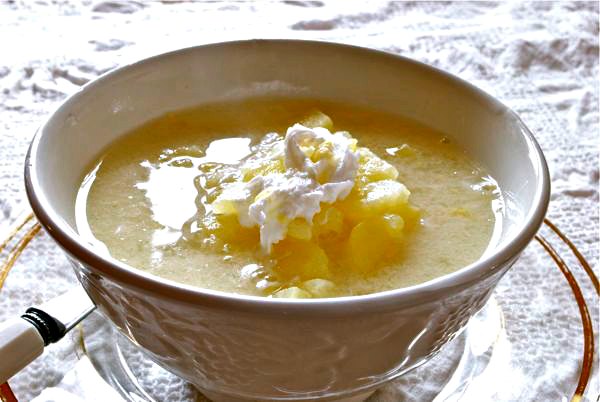
Gazpachuelo: The vinegar in this warm soup is the link wtih gazpacho. It is suprisingly good and easy to make, so is associated in Spain with emergencies! The idea is to stretch fish for one or two people to make soup for six. It is better made with fish stock, but still good made with water. |
|
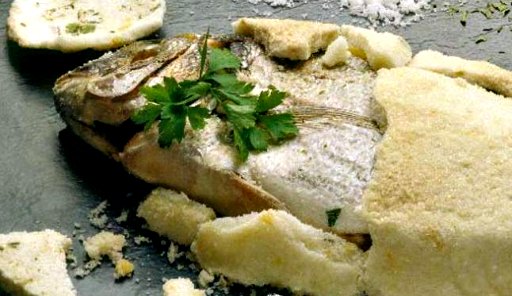
Dorada a la sal: Dorada - or gilt-head bream- is usually prepared by baking it in a salt crust. Most Spanish food experts believe the method originated in Murcia, but it is now common practice in Andalusia as well. Don't be put off by the large amount of salt. It seals in the juices of the fish, resulting in a succulent dish that delivers pure fish flavour without a trace of saltiness. |
You may be also interested in...
Product of the month |
Recent Articles


%20for%20this%20recipe%20to%20get%20the%20best%20results)

%3A%20An%20exceptional%20Lobster%20stew%2C%20typical%20from%20the%20Balearic%20Islands%2C%20and%20celebrated%20all%20over%20Spain.)


-
Lacon con Grelos - Boiled Ham with Greens
Oct 25, 17 06:18 AM
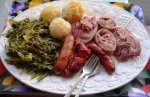 In Galicia, the meat used for this recipe is the lower portion of the front pork leg, or hock, and it's salt cured. I prepare it with fresh hocks, and it's also delicious.
 -
Esqueixada
Aug 31, 17 06:20 AM
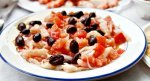 Esqueixada is a quintessential Catalan salad. The main ingredient is always cod. Some versions also include green bell peppers; others eliminate the peppers altogether
 -
Spanish Salads - Ensaladas
Feb 09, 17 05:26 AM
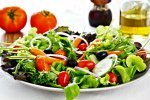 DURING THE HOT summer months, Spaniards look forward to their cuisine’s rich array of cold soups and salads.